

We’re proud to announce this post has been featured on El Toro Market Insights! Harry is a Wall St vet with over 30 years of experience and 800,000 subscribers. Thanks El Toro!
Today's post focuses on building wealth and achieving financial freedom. It is an introduction on how to start investing to create long-term security. We cover the power of compound growth and give smart investment strategies, including the secrets to analyzing stocks (stock pick included!).

What is wealth?
Wealth is not just about buying fancy things (cars, houses, vacations). Real wealth is about having the freedom to live the life you want without constantly worrying about money. And the best part? You can start building wealth right now, no matter how old you are or how much money you have.
The key to building wealth is to start investing early, even if it’s just a little bit at a time. The earlier you can start, the more your money will grow over time. And it doesn’t just mean putting money in a savings account (although that’s important too!), investing means putting your money into the stock market so it can grow exponentially.
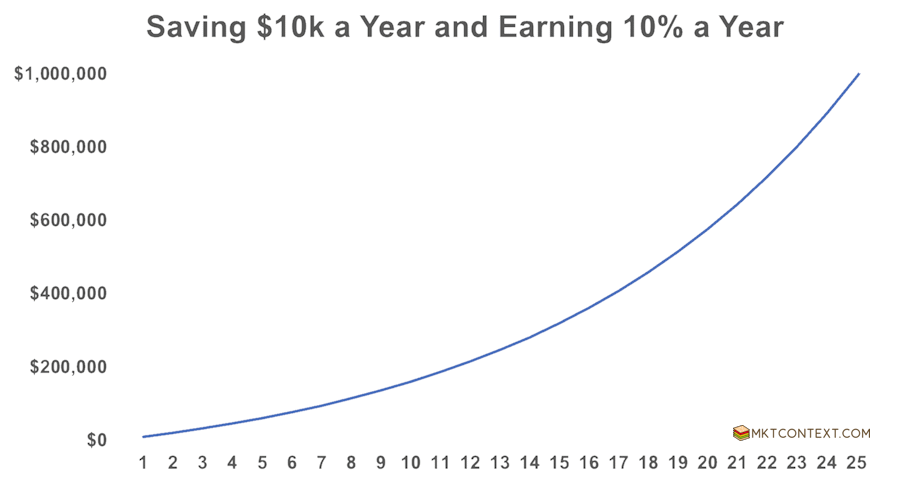
Did you know if you start putting away just $50 per month when you’re 18, by the time you’re 65 you could have over $500,000 saved up? And if you invested more heavily, say, $800 per month, you could become a millionaire in 25 years. All without lifting a finger. By investing early and consistently, you can set yourself up for long-term financial freedom and focus on living the life you want.

Becoming a business owner
When it comes to building wealth, it's about making smart investment choices and buying stocks that will outperform in the long run, not just trying to make a quick buck. It's about doing your research, being patient, and having a long-term vision for your money.
By investing in companies that have a strong track record, a solid business model, and a bright future ahead, you can set yourself up for long-term financial success. And, with the power of growth on your side, those companies will keep growing themselves without you doing anything.
In the stock market, you can be a partial owner of any public company in the world. You get a share of the profits it generates, and as the value of that company goes up, so does your stake. People have been doing this for centuries; it’s one of the best ways to compound capital and achieve your financial dreams.

Don’t forget to share this post with someone who wants to get started investing!

Which stock to buy?
Investing can be as simple as buying broad market ETFs. That lets you own a small piece of hundreds of companies, all in one convenient package. But you could do so much better with just a bit more effort and a basic understanding of stock analysis. Here at MktContext.com we advocate timing the market (buying low and selling high) picking winning stocks.
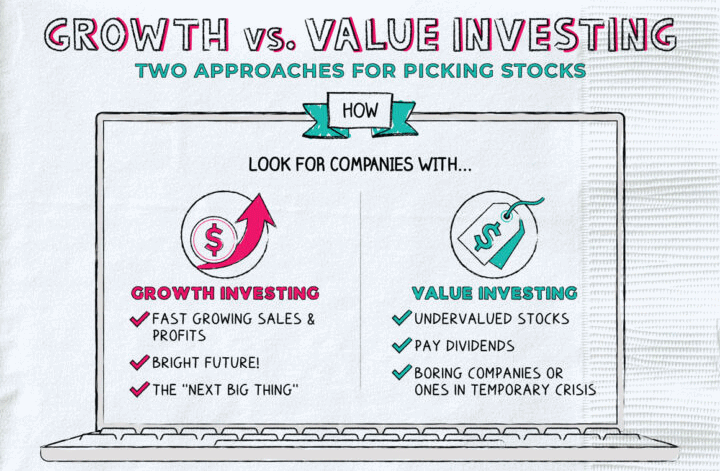
There are many different ways to invest, but for a long-term investor, we suggest growth investing. Growth companies have sustained profit growth thanks to their innovative new products. You want to find high-quality companies in fast-growing industries like technology, healthcare, or consumer discretionary. Look for companies with a history of strong earnings growth, expanding profit margins, and a defensible competitive advantage (you can find this info on StockAnalysis.com).
These stocks tend to be overpriced because everyone knows how good they are. You don’t want to overpay for these stocks, so that’s where fundamental and technical analysis come in. Let’s study a recent example, Affirm Holdings (ticker AFRM).

Example: Affirm Holdings (AFRM)
Affirm is a leading “Buy Now Pay Later” fintech company. BNPL has become very popular with younger consumers who want to pay for their online shopping in installments. As a result, AFRM’s sales have been growing very quickly, even though it hasn’t reached profitability yet (common for early-stage companies). Here’s their year-over-year sales growth:

The stock suffered a massive decline in 2022 after the Covid-driven online shopping frenzy ended. Also, interest rates were rising at the time so no one wanted to borrow money. This malaise lasted until late 2024 when the economic winds started to shift and interest rates started to fall.
On the weekly chart, AFRM was capped at the $50 level (horizontal red line) for nearly three years. Every time it came up to that price, sellers swatted it back down. It also traded mostly below the orange 200-day moving average line, which meant it was in a downtrend. That is, until a month ago when it finally broke through that horizontal resistance. There was so much pent-up demand that it shot up to $70 within weeks.
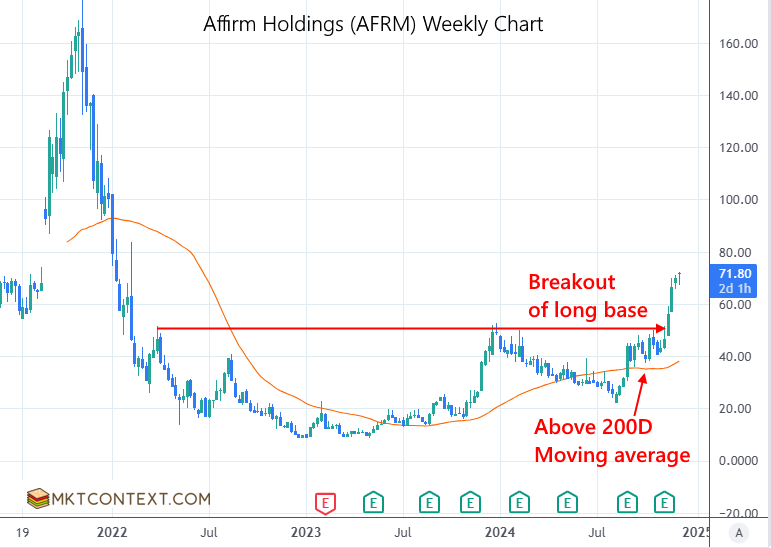
We still think it’s early days for this stock, as it gradually reclaims its former glory. There’s a lot of new services and technologies that Affirm has yet to launch. We would happily own this stock for the long term!

Using market context
Many investors get caught up focusing solely on their stocks and forget to look at the bigger picture. Knowing the economic context and market signals can help you time your entries and direct your attention to the best sectors. This is where MktContext.com truly shines!
MktContext specializes in macro-economic clues and technical signals to decode the trend. Macro covers key datapoints like GDP growth, unemployment, government policy, etc. Technicals include chart patterns, internals, sentiment analysis etc to determine price action. Together, these can help you outperform the market, as we have for nearly a decade.
For example: In 2023 when the market was concerned about a possible recession, we noted that GDP growth and employment figures continued to be strong across the economy. The technicals showed a lot of companies making new highs and buyers starting to overwhelm the sellers. Thus, we stayed bullish and were able to capture a 24% return in 2023.

That’s all for today! If you enjoyed this post, click below to subscribe and get free market and stock insights in your inbox. And don’t forget to share with someone who loves investing!
Disclaimer: This publication is for educational purposes only. The authors are not investment advisors and nothing here is investment advice. Always do your own due diligence.